
Georgians facing robocalls can protect themselves by understanding state anti-robocall laws, using call blocking apps and registering on the National Do Not Call Registry. Modern smartphone settings, like "Do Not Disturb" modes and spam filters, further reduce unwanted calls. By combining these strategies, residents can naturally stop spam calls in Georgia and regain control over their phone communications.
Robocalls have become a pervasive and unwanted nuisance for Georgians, flooding phone lines with unsolicited messages from telemarketers and scammers. These automated calls not only disrupt daily life but also pose significant security risks. According to recent statistics, over 40 billion robocalls are made globally each year, making it crucial to understand how to stop spam calls Georgia effectively.
In this authoritative guide, we delve into the problem of robocalls and offer practical solutions tailored specifically for Georgians. By exploring legal measures, technological tools, and community efforts, we empower residents with the knowledge needed to protect themselves from these relentless intrusions, ensuring a quieter and safer communication environment.
Understand Georgia's Anti-Robocall Laws: How to Stop Spam Calls

Georgia residents are increasingly facing the nuisance of robocalls, prompting many to wonder how to stop spam calls effectively. Understanding Georgia's anti-robocall laws is a crucial first step in combating this growing issue. The state has implemented specific regulations to protect consumers from unwanted telemarketing practices, offering a framework for residents to assert their rights and minimize intrusions.
Georgia's legislation bans automated or prerecorded calls to consumers unless the caller has obtained prior express consent. This means that businesses must secure explicit permission from individuals before initiating such calls. The Georgia Public Service Commission (GPSC) plays a vital role in enforcing these rules, monitoring complaints, and taking action against violators. By reporting suspicious calls to the GPSC, residents can contribute to the enforcement of these laws and potentially deter future spamming activities.
To stop spam calls naturally, Georgians should familiarize themselves with their rights and responsibilities under this legislation. When making or receiving calls, it's essential to listen for automated prompts and understand the options available, such as pressing '0' to speak to a representative or following opt-out instructions. Additionally, utilizing call blocking apps and registering your number on the National Do Not Call Registry can significantly reduce the volume of unsolicited calls. By combining these strategies, residents can take control of their communication channels and create a more peaceful environment despite the challenges posed by robocalls.
Protect Your Phone: Tools & Settings for Spam Call Defense in GA
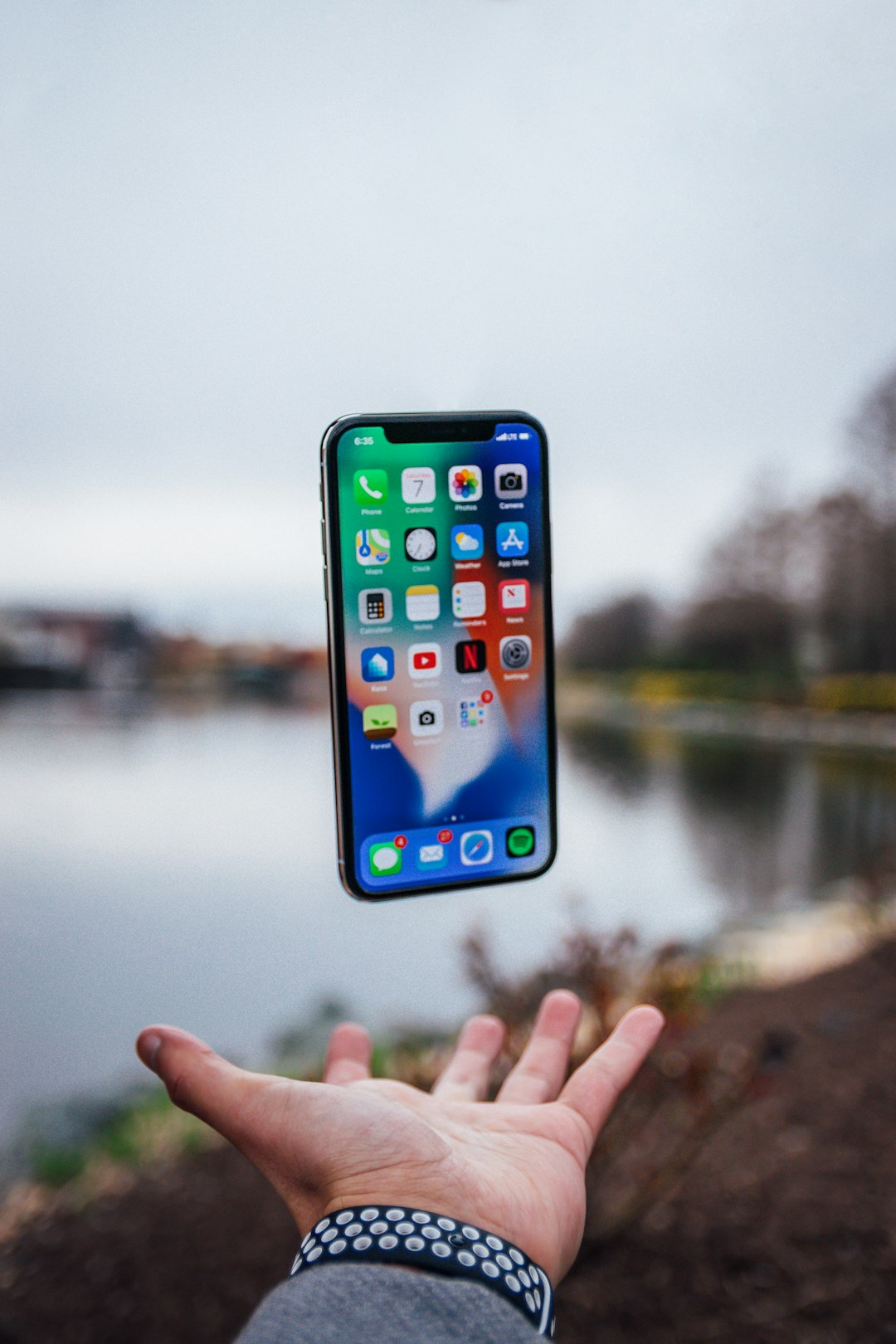
In Georgia, as across the nation, robocalls remain a significant nuisance, with many targeting residents with unwanted marketing messages or even fraudulent schemes. While comprehensive national solutions are needed, individuals can take proactive steps to protect themselves from these calls. One of the most effective methods for Georgians to defend against robocalls is by leveraging their phone's built-in tools and settings.
Fortunately, modern smartphones offer robust features designed to block spam calls. Most devices have preinstalled call filtering or do not disturb modes that can be finely tuned to prevent unwanted calls. For instance, many Android phones feature a "Spam" or "Unknown callers" filter that learns from user interactions. iOS users can utilize the built-in "Do Not Disturb" settings and create custom rules to silence specific numbers or types of calls during certain hours. These tools are powerful first lines of defense in How to Stop Spam Calls Georgia, offering residents a measure of control over their communication channels.
Beyond device settings, there are additional steps Georgians can take to fortify their defenses. Registering on national "Do Not Call" lists is crucial but has limitations as many robocallers bypass these registries. Utilizing third-party apps designed to block spam calls can enhance protection, though these tools must be regularly updated and maintained. Many reputable options are available that learn and adapt to new spamming patterns, ensuring ongoing effectiveness. By combining these strategies, Georgians can significantly reduce the volume of unwanted robocalls they receive, regaining control over their phone communications.
Take Action: Step-by-Step Guide to Block Robocalls Effectively
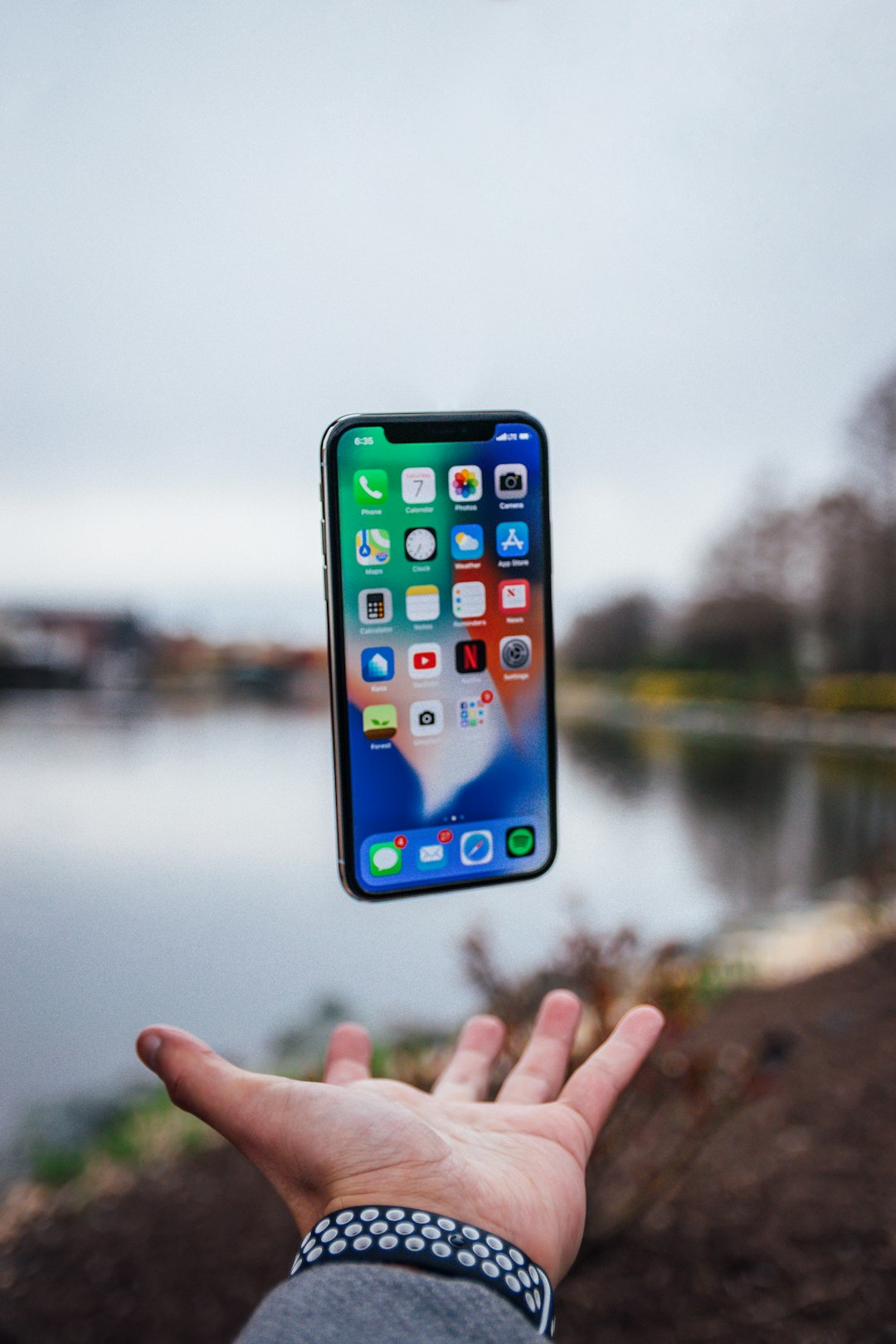
Robocalls have become a ubiquitous nuisance, with Georgians receiving an average of 10 unwanted calls per month. While blocking numbers manually can offer some respite, it's not a sustainable solution. To effectively combat this growing problem, Georgians should take advantage of robust tools and techniques designed to stop spam calls naturally.
The first step is to understand the laws governing robocalls in Georgia. The Telephone Consumer Protection Act (TCPA) restricts automated calls made to personal phones without prior consent. Utilizing do-not-call lists and blocking apps are two powerful methods to assert control over your phone line. Many reputable apps offer advanced call screening and blocking features, allowing you to set custom preferences and automatically discard unwanted calls.
For a more comprehensive approach, consider configuring your phone settings to block unknown numbers. While this won't stop all robocalls, it significantly reduces their volume. Additionally, registering with the National Do-Not-Call Registry is a legal requirement for businesses engaging in automated calling, further curbing spam calls. By combining these strategies, Georgians can reclaim control over their communication channels and enjoy a quieter, more peaceful lifestyle.